
Lancaster County Warrants Start With Review
South Carolina lets a magistrate issue an arrest warrant after a sworn complaint shows probable cause. The summary-court materials describe a written complaint or affidavit followed by an independent judicial review. An officer can seek that process in an official role. A private complaint goes the courtesy-summons route instead. In Lancaster County the distinction matters, because the paper may name either a magistrate or a municipal court, and the signature plus process type tell you which office to call about the case. Read the form title first. Ask the issuing court second.
Arrest Warrants in Lancaster County
An arrest warrant is court process ordering law enforcement to take a person into custody on the stated terms. In Lancaster County, city or county officers bring a complaint or affidavit to a magistrate or municipal judge. The judge reviews the sworn facts. Probable cause decides issuance. The record then belongs to the court and agency that handled it. A warrant is not a summons, and the paper itself controls the next step.
Lancaster County Arrest Warrant Records
A blank South Carolina summary-court form lays out its own map: court identity, county, municipality, process number, charging agency, the alleged event, the judge's action, any bond direction, and the service return. Not every field on it is open to public search, and a filled form can hold personal details that have no place on a public page. The number pattern comes from the state guide as a format example, not from any person's record. A name, a charge, or a number alone still tells you nothing about current status in Lancaster County; the issuing court holds that answer.
What a Lancaster County Arrest Warrant Contains
Start with the court and case number, then the charge and order date. The paper may also list the judge, the probable-cause finding, any bond or release condition, and the officer return. South Carolina's court forms show the schema. Lancaster County publishes no warrant-status codebook. The form fields explain what a reader may see, not what a public search exposes.
| Process number | YYYYA29xxxxxxxx is a format example only |
|---|---|
| Charging source | May name the affiant, agency, complaint, or ordinance. |
| Charge or event | Identifies the offense or event connected to the order. |
| Issuing court | Names the judge or court that authorized process. |
| Bond direction | May state a release condition set for that case. |
| Service return | May record the officer, service date, or unserved reason. |
Lancaster County SLED Checks Exclude Warrants
Review the official SLED CATCH service boundary.
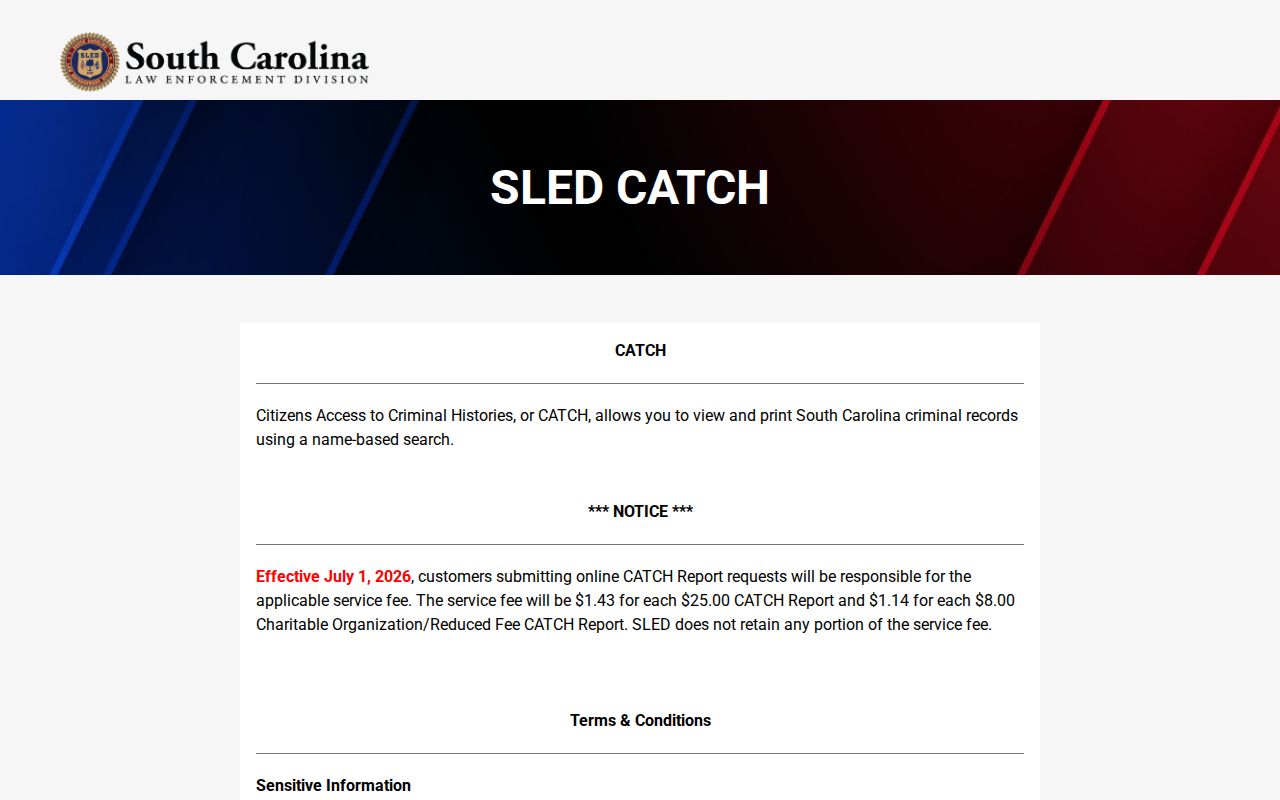
For a current Lancaster County warrant question, call the issuing court or use the sheriff's lobby route. The sheriff does not discuss outstanding warrants by phone.
How Lancaster County Arrest Warrants Are Served
The Sheriff's Judicial Services unit serves arrest warrants and court orders. Outside the City of Lancaster, Lancaster County law enforcement handles service; Lancaster Police handles it inside the city. A high-risk felony warrant may bring in the Sheriff's SWAT team. There is no complete public service roster or live search. After service, the officer or agency makes a return to the court. That return stays in the case history after the event. Check the return and the current court order separately.
Lancaster County Warrant Service Returns Have Limits
South Carolina law sets out sheriff duties to keep process records and to serve, execute, and return papers. Criminal Rule 30 calls for reasonable efforts on bench warrants and reporting on unserved ones. Those rules explain why a return can exist without any public online roster in Lancaster County.
Read South Carolina Criminal Rule 30.
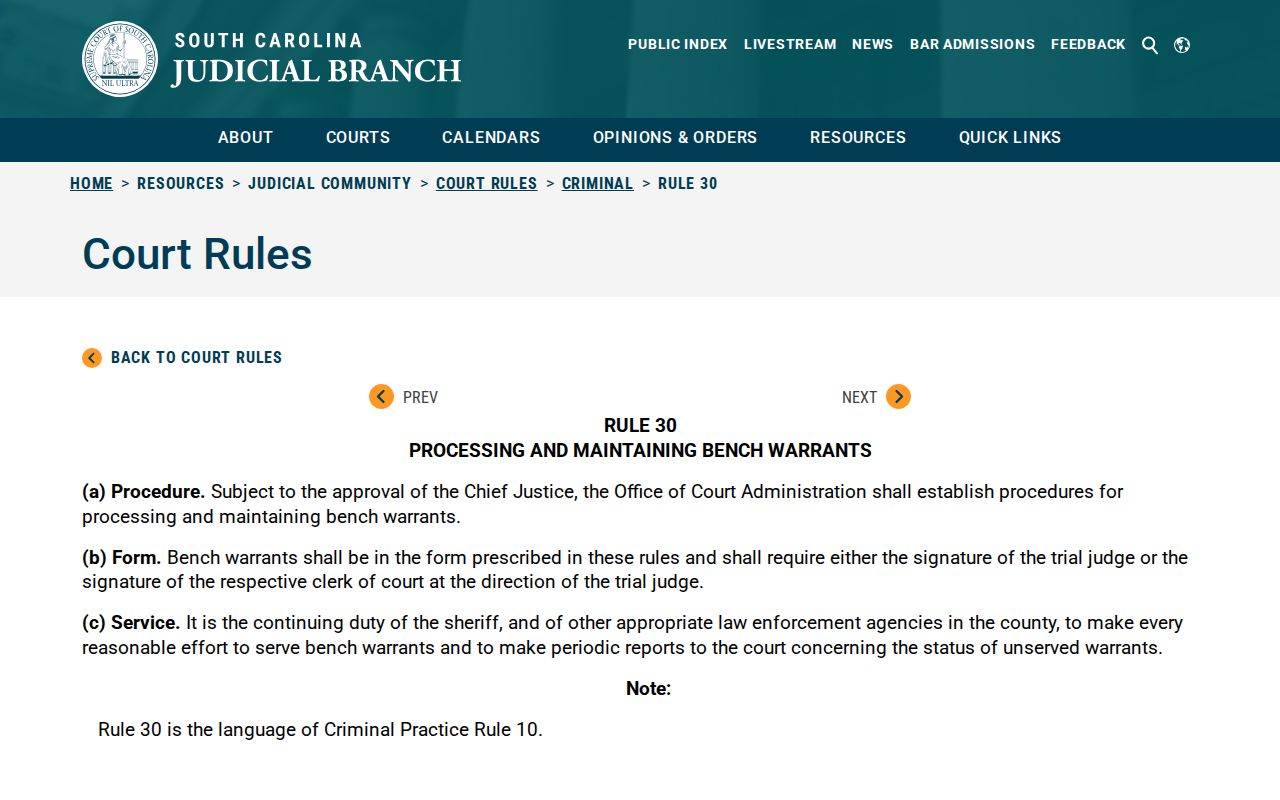
A service return is not a status certificate; the Lancaster County issuing court must explain the current order.
Lancaster County Warrant Types Compared
These labels mark different court actions. An arrest warrant follows a probable-cause review. A courtesy summons tells a person to appear. A bench warrant usually follows a missed court obligation. Use the exact label on the paper, and ask the Lancaster County issuing court what step comes next.
| Feature | Arrest Warrant | Summons | Bench Warrant |
|---|---|---|---|
| What it orders | Arrest under the warrant's terms | Appear at the stated court | Bring the person before the court |
| Basis | Probable cause reviewed by a judge | Summons process under South Carolina law | Missed appearance or court event |
| Who issues it | Magistrate or municipal judge | Court or authorized officer | Judge handling the case |
| Next step | Ask about court, bond, and counsel | Attend as directed | Ask the issuing court about appearance or recall |
Lancaster County Warrant Records and FOIA Access
South Carolina FOIA opens public records subject to exceptions. The Attorney General's opinion discusses public access to served arrest warrants, but unserved, sealed, juvenile, victim-related, and investigative records can stay closed. The Lancaster County sheriff's office reviews requests for records it holds and may redact material.
Read the South Carolina FOIA statute.
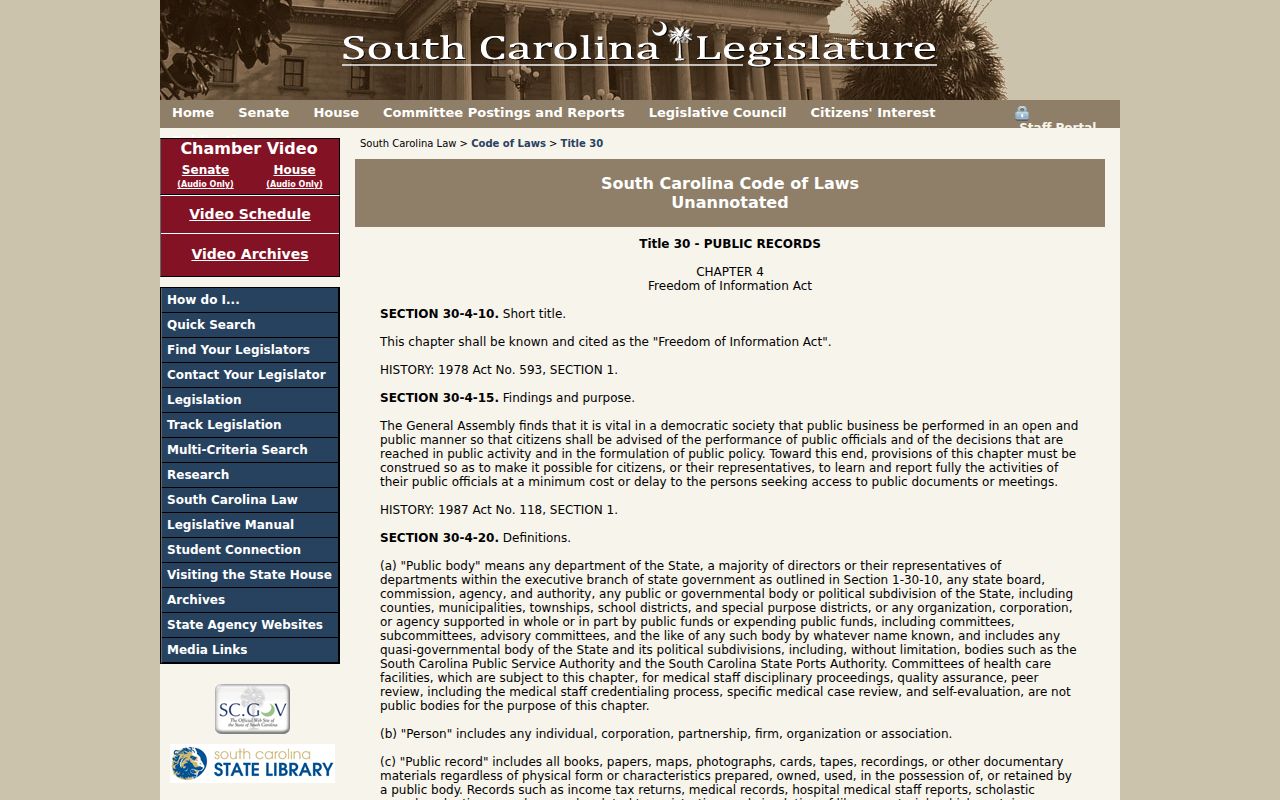
A Lancaster County records request can take time, so do not rely on one to settle an urgent warrant question.
Lancaster County Juvenile Warrant Records Have Limits
Juvenile matters carry extra privacy protections. A record tied to a minor may not be open the way an adult case is. A name-only search can expose sensitive details or produce a mistaken match. A missing public entry does not mean no proceeding exists. Ask the court which access rule applies. South Carolina's juvenile code sets separate confidentiality limits, and the juvenile code explains the statutory context. Those protections stand apart from the Sheriff's Office lobby policy for adult outstanding-warrant questions and from FOIA requests for Lancaster County agency records.
Read the South Carolina juvenile-record provisions.
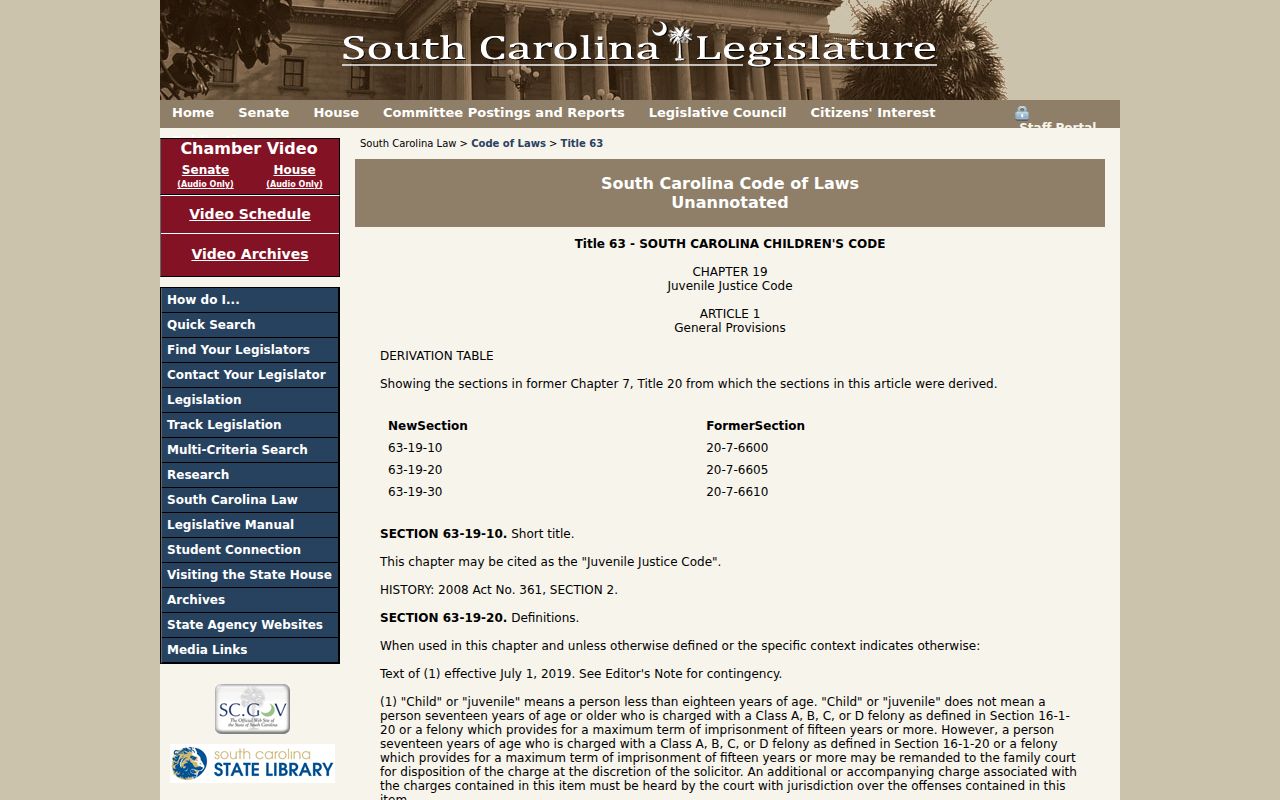
Do not seek or republish identifying juvenile information.
What to Do If There Is a Warrant for You
Once a Lancaster County court confirms a warrant, ask what happens next. It may want an appearance, a bond posting, or a surrender. Sometimes the fix is simply a new court date. A motion to recall or quash is another route, and a lawyer can weigh the timing of each. Bond Court runs sessions at 9:30 a.m. and 2:30 p.m., and 803-416-9483 answers bond questions during those hours. Each county or city court sets its own instructions, so follow the issuing court's directions rather than guessing. Hold onto the case number and any written order, and remember that a payment, a phone call, or an old online result does not by itself prove a warrant was withdrawn.
Important: Talk with a South Carolina attorney and the issuing court before choosing an appearance, surrender, bond, or recall motion.